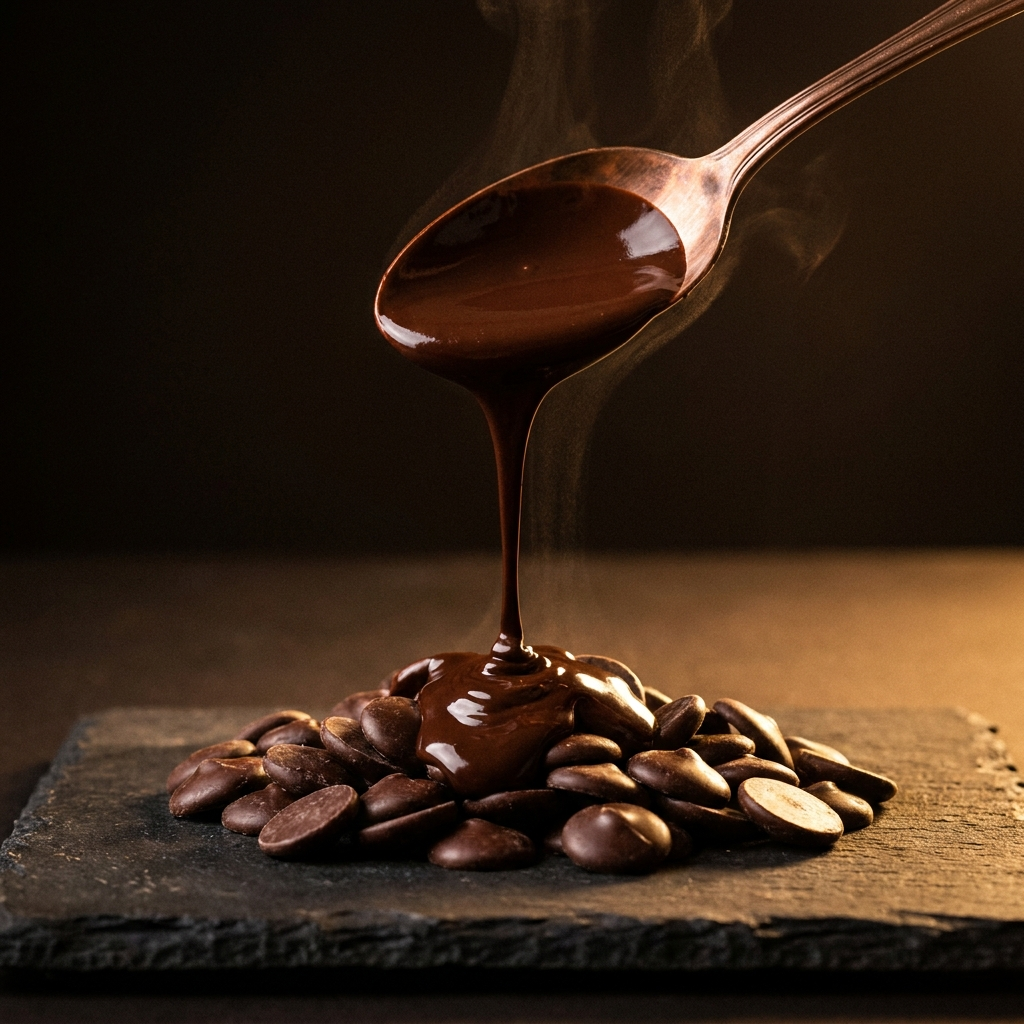
Welcome to the ADIKAM Chocolate Academy — where Polish, premium chocolate callets meet the knowledge we’ve gathered in our workshop since 2016. We write it with pastry chefs, restaurateurs, baristas making hot chocolate and home enthusiasts who want to work like professionals in mind. Here you’ll find proven techniques, precise temperatures and answers to the questions that genuinely decide the quality of a dessert.
Our chocolate is made on a base of real cocoa butter, without palm oil, and our production is backed by IFS Food, Rainforest Alliance and Fair Trade certificates as well as Perły Rynku FMCG awards. This isn’t textbook theory — it’s practice based on recipes that prove themselves every day in chocolate fountains, fondue, glazes, ganache, baking and pralines. We write every article so you can put it to use straight away at the worktop.
We’ve divided the Academy into four pillars that take you from the basics to mastery: Melting — how to melt chocolate smoothly, without scorching or lumps, in a water bath and the microwave; Choosing chocolate — which of our lines (Milk 32%, Semisweet 54%, Dark 72% or the white-chocolate-flavour coating) works best in your recipe and why the cocoa percentage matters; Uses — ready-made scenarios for working with a fountain, fondue, glazes, ganache, baking and hot chocolate; and Pro techniques — tempering, achieving shine and snap, controlling viscosity and rescuing chocolate that has seized. Choose a category and start creating with an expert’s confidence.
Chocolate Academy
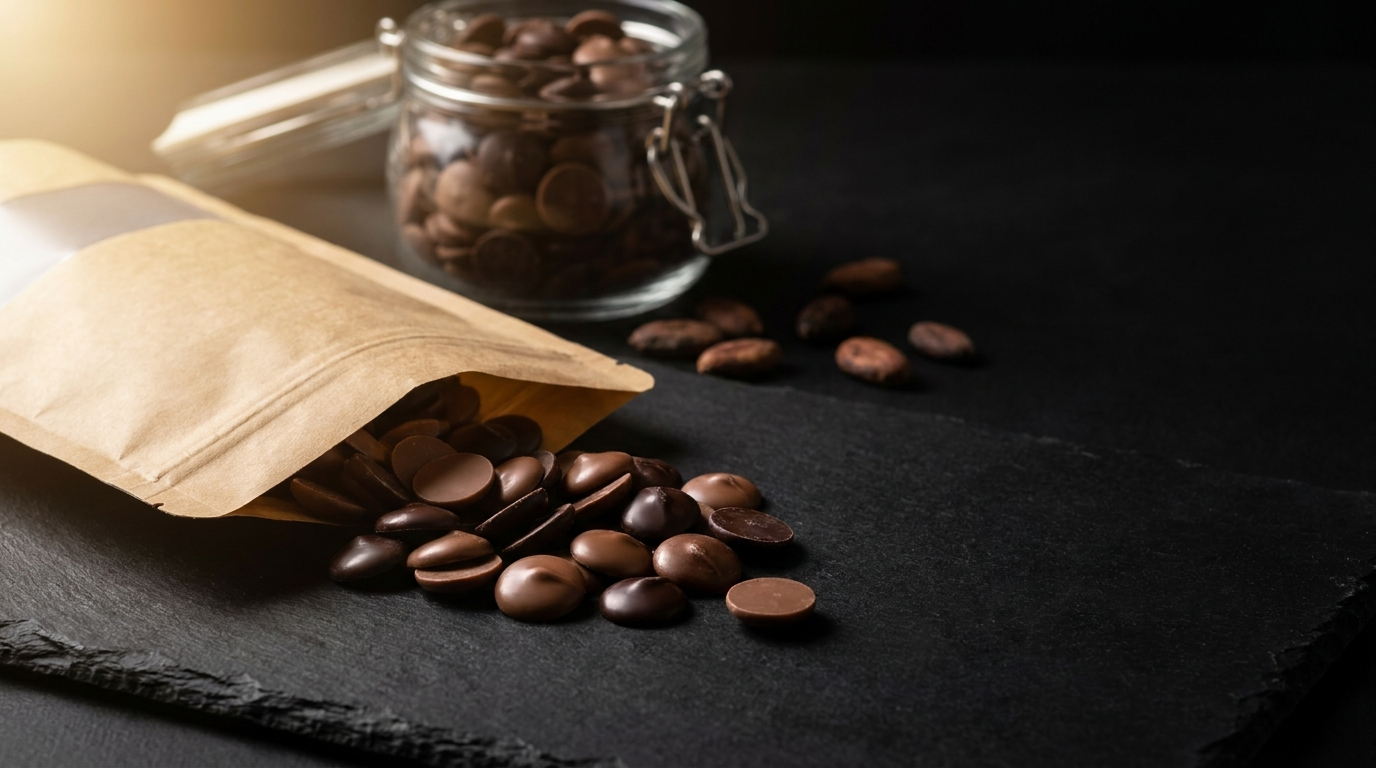
How to Store Chocolate Callets
A complete guide to storing chocolate callets: the ideal temperature of 15-25°C, humidity, protection from odours and light, fat bloom, storage in summer, plus a conditions chart and FAQ. Everything to keep your premium ADIKAM chocolate full of flavour and shine.
Chocolate in the Patisserie, Gelateria and Cafe - Professional Uses
How to choose the type and cocoa percentage of chocolate for professional use - from ganache and glazes in the patisserie, through scoops and toppings, to hot chocolate in the cafe. Practical ratios and tables.

Chocolate Bloom (Fat Bloom and Sugar Bloom) - Where It Comes From and How to Avoid It
That grey film on chocolate is not mould or spoilage. We explain the difference between fat bloom and sugar bloom, their causes, and the precise storage rules that protect the shine.
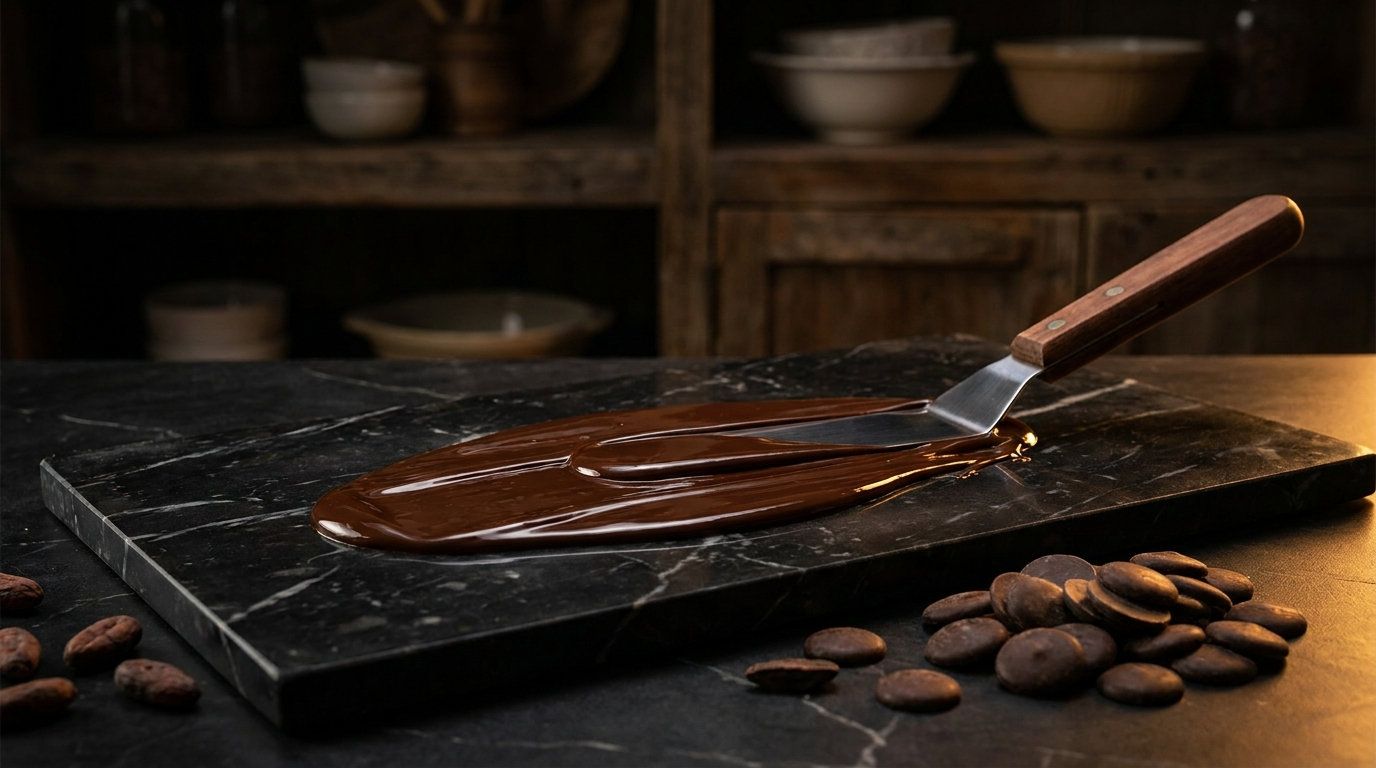
Tempering Chocolate Step by Step - How to Get Shine and Snap
Tempering is the controlled crystallisation of cocoa butter that gives chocolate its shine, crisp snap and resistance to blooming. Learn the exact temperatures and three proven methods.

How to Choose the Right Chocolate for Baking and Desserts - A Practical Guide
Brownies, ganache, mirror glaze, fountains, pralines or hot chocolate - every dessert likes a different kind of chocolate. We show you how to pick milk 32%, semisweet 54%, dark 72% or white-chocolate-flavour discs for the job at hand.

What the Cocoa Percentage Means and How It Shapes a Chocolate's Flavour
The number on a chocolate wrapper isn't a quality score - it tells you what's inside. We explain what 32%, 54% or 72% cocoa actually means and how that figure translates into sweetness, bitterness and the way it behaves in the kitchen.
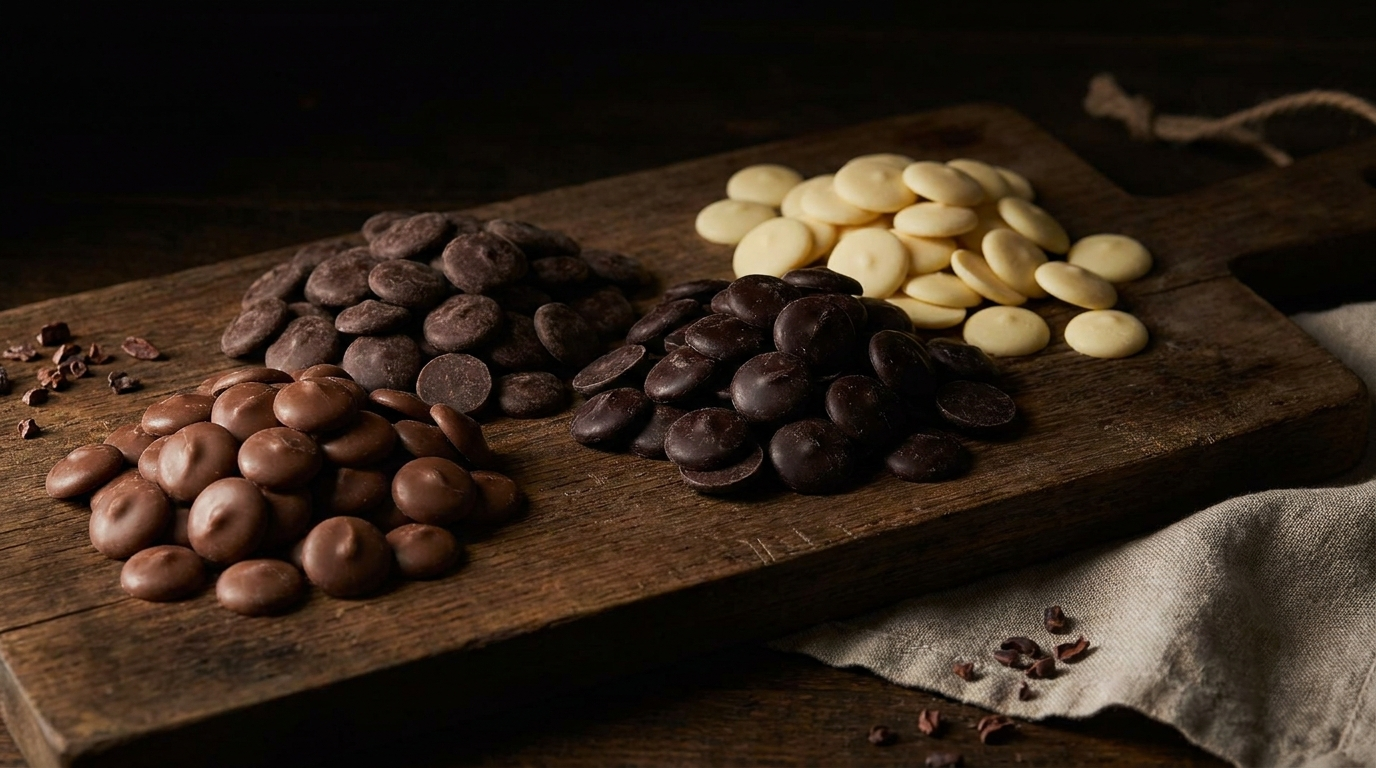
Milk 32% vs Semisweet 54% vs Dark 72% vs Discs — Which to Choose
Milk 32%, Semisweet 54%, Dark 72% or white-chocolate-flavour discs? We explain the differences in taste, cocoa content and use, so you can pick the perfect chocolate for a fountain, glaze, ganache or bakes.

How Many Callets to Add to Your Bake — Ratios & Tips
How many chocolate callets should you add to cakes, muffins and cookies? Practical ratios per 100 g of flour and per whole bake, tips to stop them sinking, plus how to choose the right chocolate.

How to Stop Chocolate Overheating and Scorching
Overheated chocolate turns dull, thick and grainy — and often there's no coming back. Learn the temperature thresholds, the warning signs and how to rescue it.
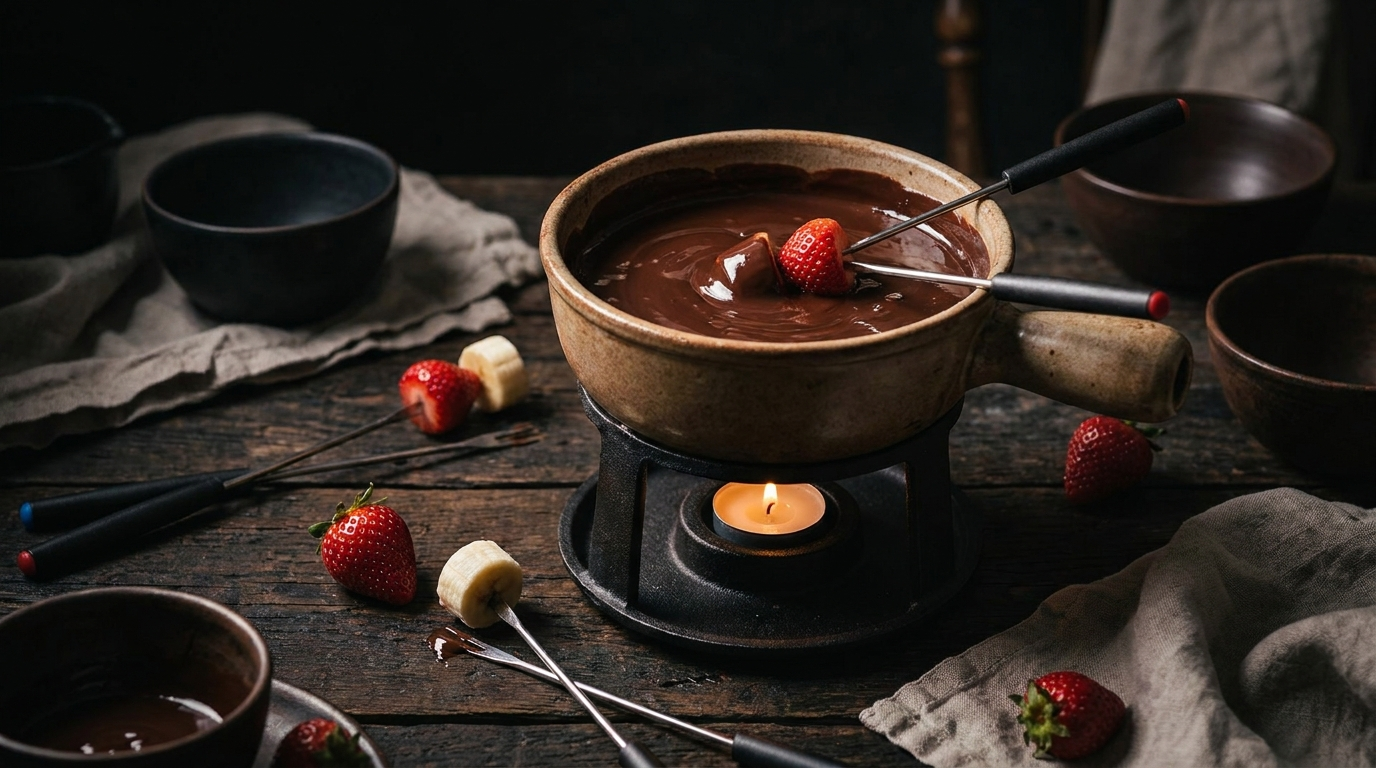
Chocolate Fondue — Ratios, Temperature and Tips
How to make the perfect chocolate fondue: exact chocolate-to-cream ratios, the right temperature, choosing your type of chocolate and a list of dippers. Tables and tried-and-tested tips.
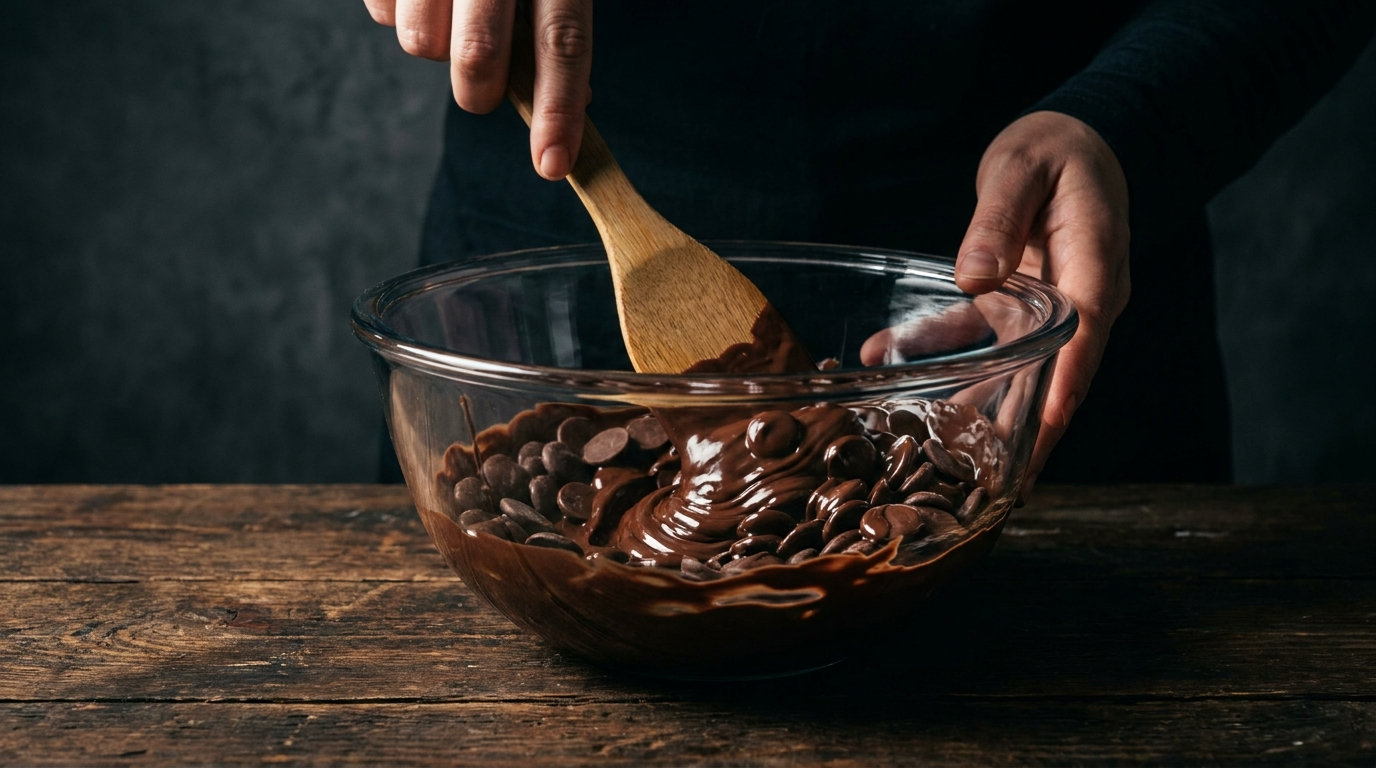
How to Melt Chocolate Safely in the Microwave
The microwave is the fastest way to melt chocolate — as long as you work in short bursts and keep the power in check. Get to know the proven 30/15-second method.
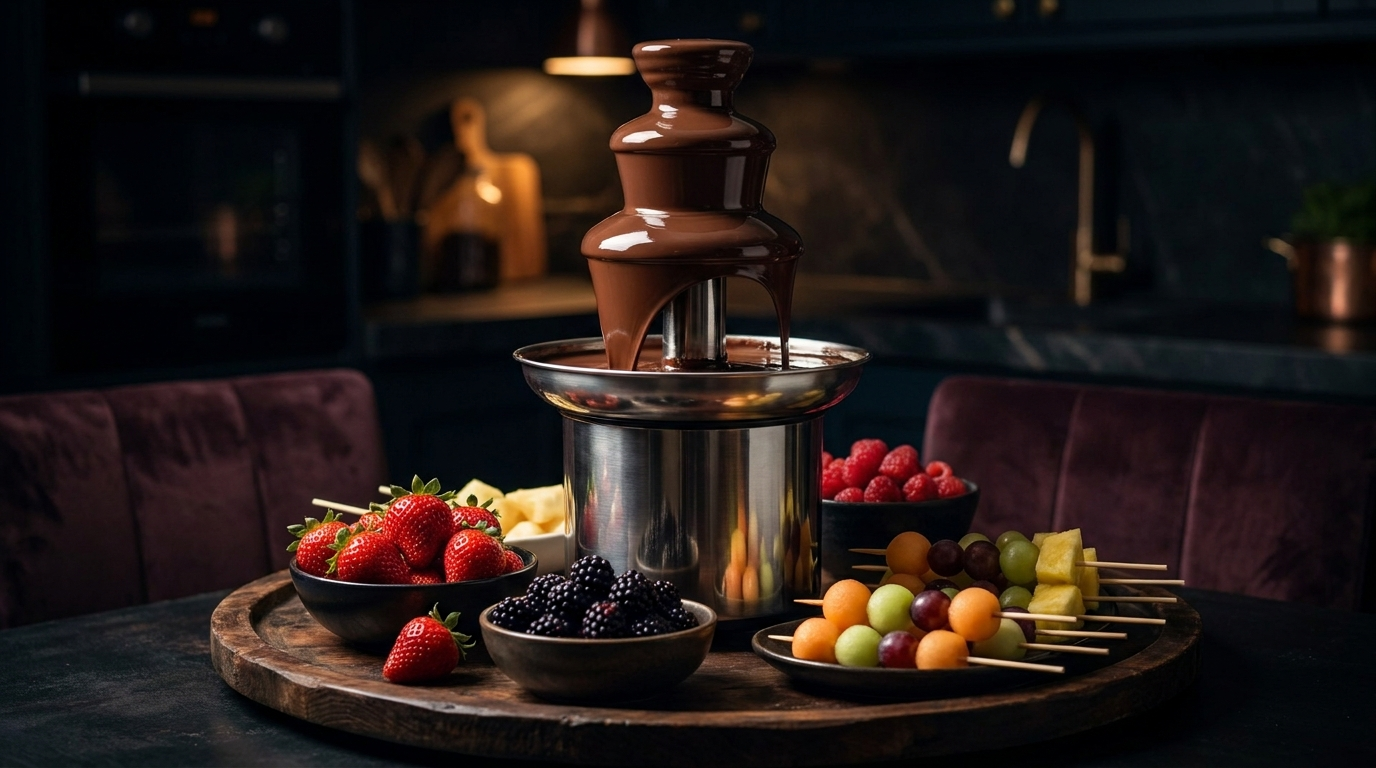
Chocolate for a Fountain — How to Prepare It and Which to Choose
A practical guide to chocolate fountain chocolate: which type to choose, how much oil to add, the right working temperature and how to avoid jamming the auger. Exact ratios and tables.

How to melt chocolate properly in a bain-marie (water bath)
A water bath is the safest way to melt chocolate to a perfectly smooth, glossy consistency. Learn the right temperatures, ratios and the mistakes to avoid.